
Events
Join Us
Type in your search and hit Enter on desktop or hit Go on mobile device
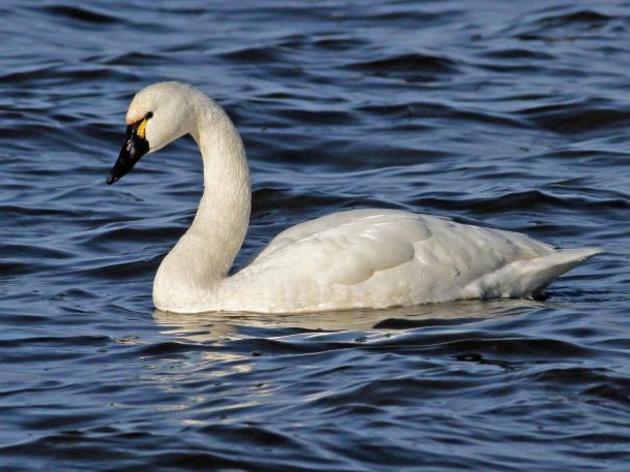
The Tundra Swan is known for its exquisite features and courting rituals, which have made it revered throughout history.
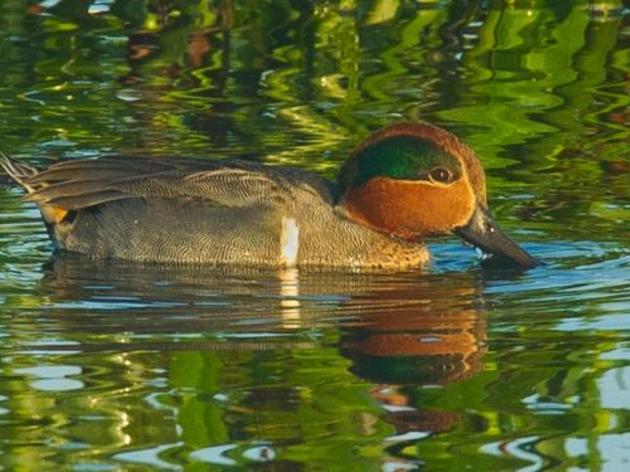
The first to arrive and last to leave, the Green-winged Teal spends a very short period wintering in southern states including North Carolina, so spotting one may require some planning.
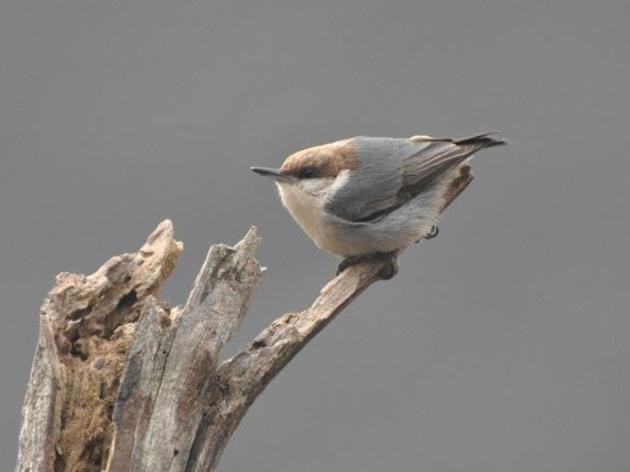
The Brown-headed Nuthatch is fondly known to Audubon North Carolina (ANC) as our quintessential southern bird.
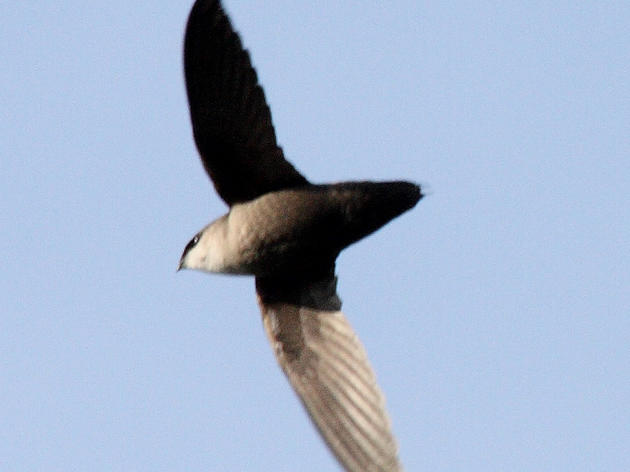
The small, agile, fast-flying Chimney Swift is readily identified by its characteristic "flying cigar" profile.
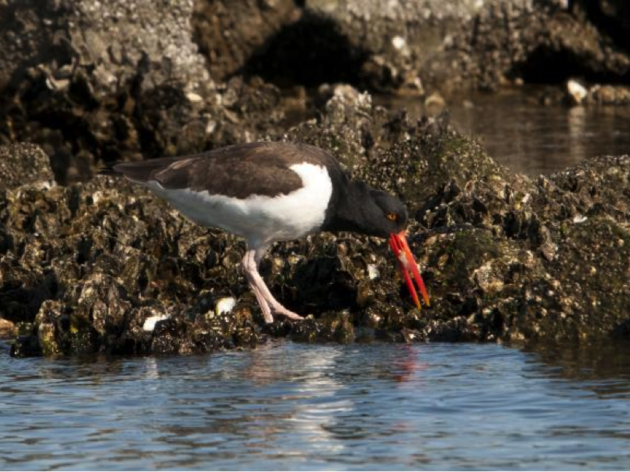
Read about Audubon’s landmark study showing the severe impacts of climate change on birds.

In recent years, there has been an increased emphasis on alternative fuel sources. Audubon North Carolina applauds this focus on conservation and reducing the overall carbon footprint.
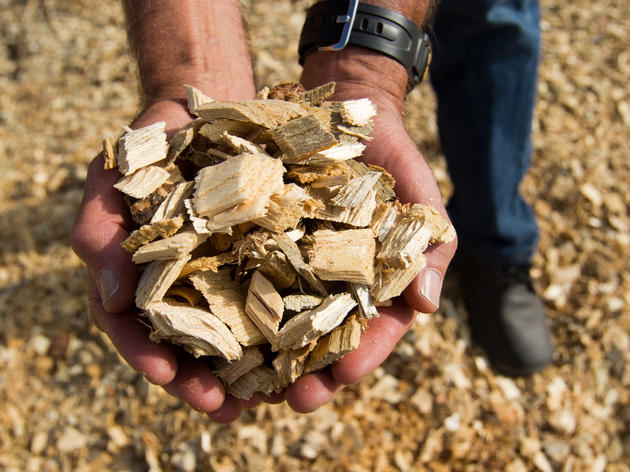
Woody biomass utilization is deriving energy from the trees and woody plants, including limbs, needles and other woody parts grown in a forest that are the by-products of forest management.

Audubon North Carolina strongly supports properly sited wind power as a renewable energy source that helps reduce the threats posed to birds and people by climate change.


