
• National Audubon Website logo
  • Atlantic Flyway
Events Join Us
North Carolina
  • Donate
  • Take Action
  • Our Work
    • Bird-Friendly Communities
    • Climate
    • Coast
    • Donal C. O'Brien, Jr. Sanctuary at Pine Island
    • Important Bird Areas
    • Policy & Advocacy
    • Working Lands
    • Urban Forestry
  • Birds
    • Common Questions
    • NC Bird Watching Resources
    • Priority Bird Species in North Carolina
    • Birds and Science
    • Bird Migration Explorer
  • News
    • In the News
    • Media Releases
  • Get Involved
    • How Can I Help Birds
    • Volunteer
    • Community Science
    • Membership
    • Donate
  • About Us
    • Chapters
    • Staff and Locations
    • Board
    • Careers
Type in your search and hit Enter on desktop or hit Go on mobile device
  • Stay Updated
  • Take Action

Birds

Showing 1–8 of 856 results

Ferruginous Hawk

Latin:  Buteo regalis

Illustration for Ferruginous Hawk

Bobolink

Latin:  Dolichonyx oryzivorus

Illustration for Bobolink

Budgerigar

Latin:  Melopsittacus undulatus

Illustration for Budgerigar

Acorn Woodpecker

Latin:  Melanerpes formicivorus

Illustration for Acorn Woodpecker

American Bittern

Latin:  Botaurus lentiginosus

Illustration for American Bittern

Black Phoebe

Latin:  Sayornis nigricans

Illustration for Black Phoebe

Fish Crow

Latin:  Corvus ossifragus

Illustration for Fish Crow

American Flamingo

Latin:  Phoenicopterus ruber

Illustration for American Flamingo
  • Show Me More

Articles

Showing 1–8 of 1095 results

Sort by:
  • Relevance
  • Date
    • Filter by Type
      • News (919) Apply News filter
      • Pages (176) Apply Pages filter
    North Carolina GBBC Launches with the First Lady
    Bird-Friendly Communities February 12, 2018

    North Carolina GBBC Launches with the First Lady

    The Count kicks off on February 16 with a boost from the watchful eyes of students from Exploris Middle School on the first day of the 4-day community science event.

    Where Do Pelicans Go in the Winter?
    Coast January 24, 2018

    Where Do Pelicans Go in the Winter?

    While 8,000-10,000 adults inhabit the state during the spring and summer nesting months, our population of Brown Pelicans dips as most head south in the fall.
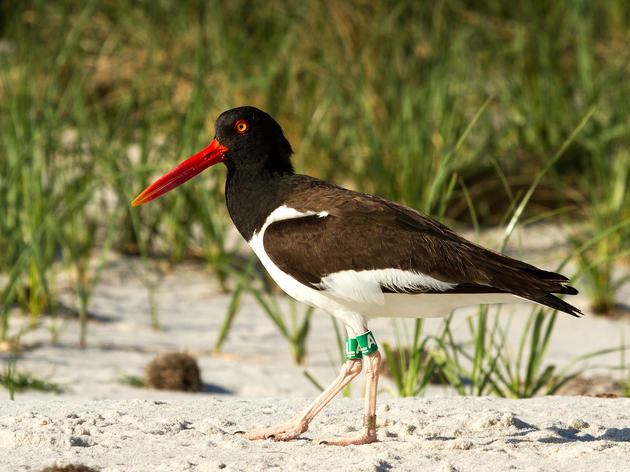
    Coastal Birds: Your Top Questions, Answered
    Coast January 24, 2018

    Coastal Birds: Your Top Questions, Answered

    We hope these FAQs on coastal birds will help you find the birds you most wish to see, better support birds during nesting and migration season, and more!
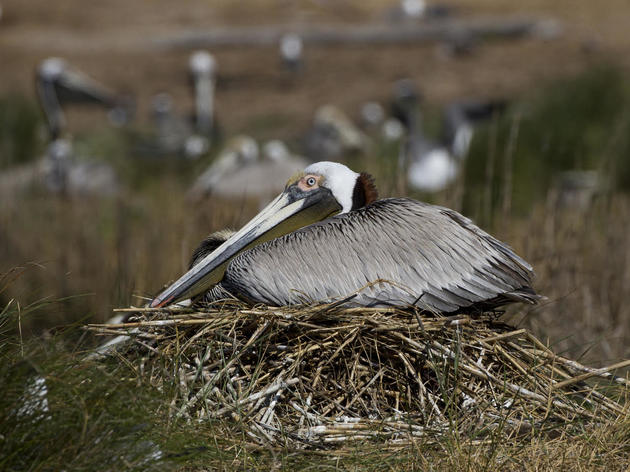
    What Happens to Pelicans When It Freezes?
    Coast January 21, 2018

    What Happens to Pelicans When It Freezes?

    While most of North Carolina’s Brown Pelicans migrate south, some remain in the state throughout the (typically milder) coastal winter. When temperatures dip below freezing, however, it's important to know how to help birds in need.
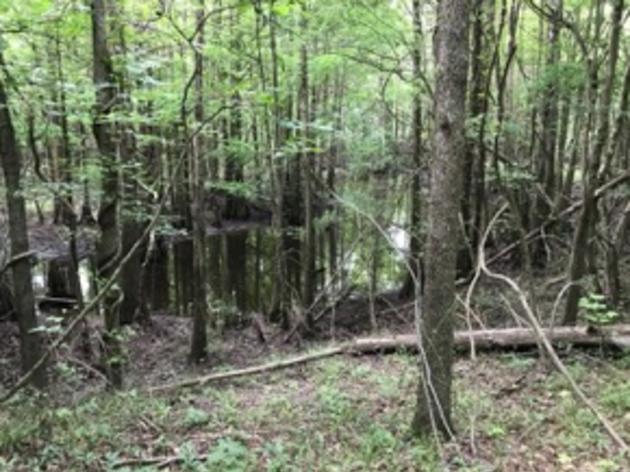
    Why Bottomland Hardwood Forests Matter to Landbird Migration
    Forest Landbird Legacy Program January 5, 2018

    Why Bottomland Hardwood Forests Matter to Landbird Migration

    Audubon’s Forest Landbird Legacy Program’s Eastern Forests initiative is an innovative program that enables landowners and foresters to help support birds that depend on forested landscapes along the Atlantic Flyway.
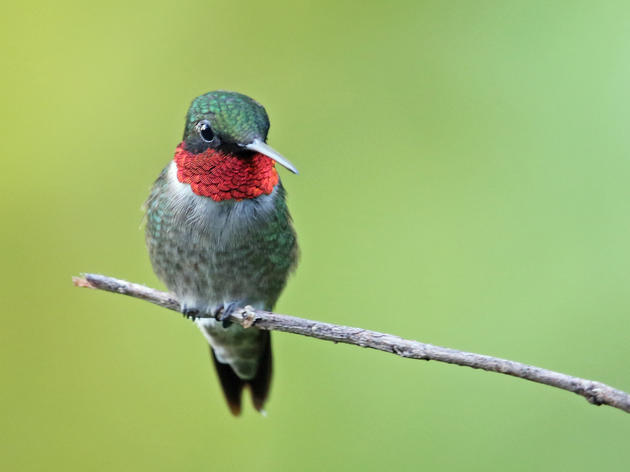
    52 Actions to Support Birds in 2018
    Advocacy January 5, 2018

    52 Actions to Support Birds in 2018

    The birds you love are counting on you to raise your voice and recruit friends! Commit to a weekly action this year and make sure our birds stay resilient in 2018.
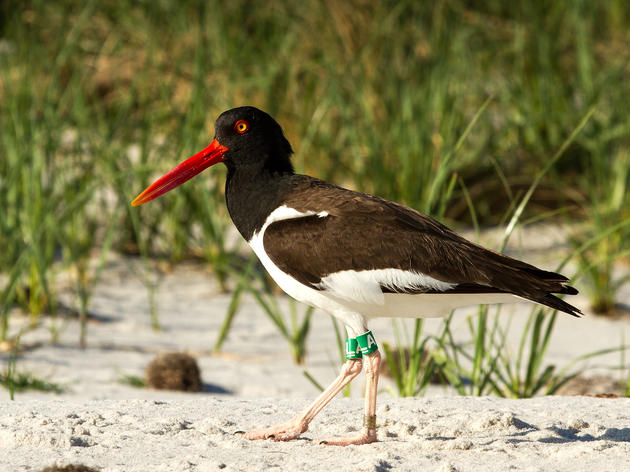
    Oyster Reef Project Underway on the Lower Cape Fear River
    Coast December 26, 2017

    Oyster Reef Project Underway on the Lower Cape Fear River

    This fall saw the start of Audubon North Carolina’s latest coastal project, an effort to restore oyster reefs on the Lower Cape Fear River.
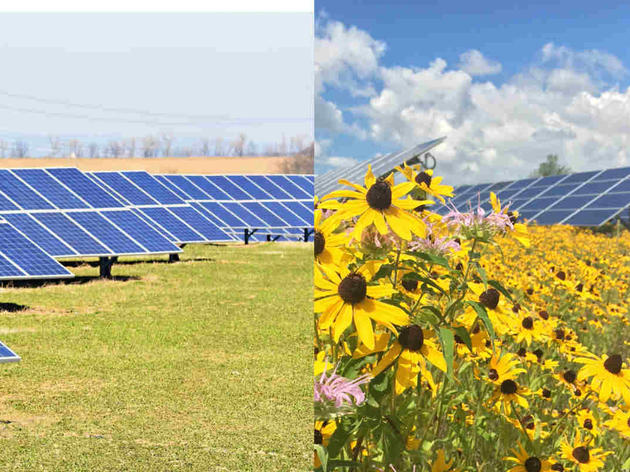
    Which Solar Future Do You Want?
    Advocacy December 21, 2017

    Which Solar Future Do You Want?

    A movement is growing across the country to replace standard turf grass at solar sites with flowering native plants that are beneficial to pollinators, birds, and other wildlife.

    • Show Me More

    Spread The Word

    It’s the least you can do.

    National Audubon Society

    Audubon protects birds and the places they need, today and tomorrow.

    • Home
    • News
    • Conservation
    • Birds
    • About Us
    • Newsroom
    • Staff and Locations
    • Volunteer
    • Contact Us
    • Donate to Audubon
    • Leave a Legacy
    • Online Store
    • Audubon Near You
    • Find a Local Chapter

    National Audubon Society Legal Notices Privacy Policy Contact Us