Policy

Legislating the best conservation for birds

Policy words - inspirational 2-3 paragraphs
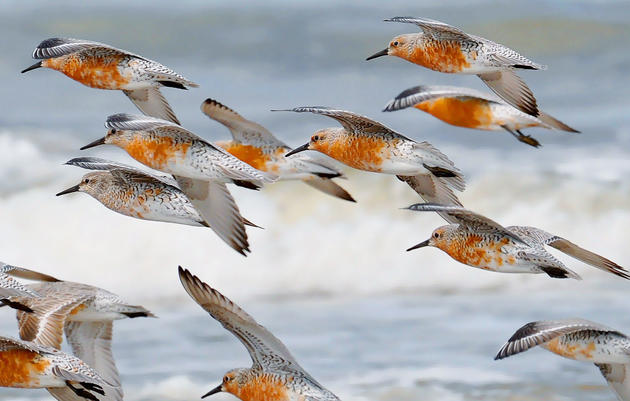
Rich Inlet Protected

Save Rich Inlet
Coast

Save Rich Inlet

We need your help protecting one of the LAST natural inlets in our state. Be the voice for our coastal birds!
Read more

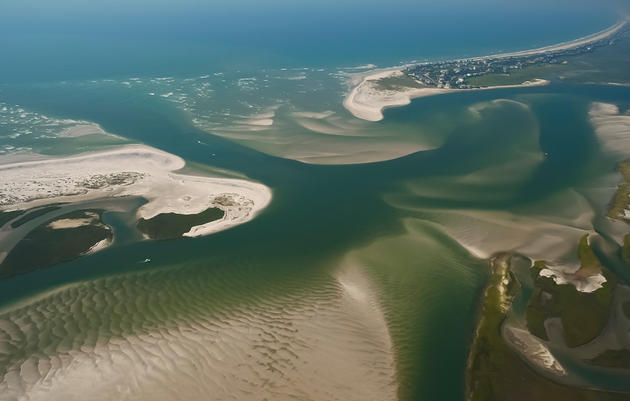
Rich Inlet Is Naturally Important to Birds
Coast

Rich Inlet Is Naturally Important to Birds

Rich is one of the few natural inlets left in the state. It has escaped hard structures like jetties and terminal groins that drastically alter inlets and destroy habitat that birds require.
Read more

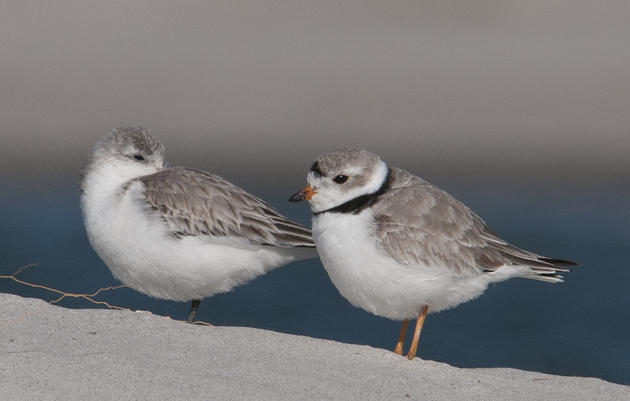
Help Save Endangered Piping Plovers at North Carolina’s Rich Inlet
Advocacy

Help Save Endangered Piping Plovers at North Carolina’s Rich Inlet

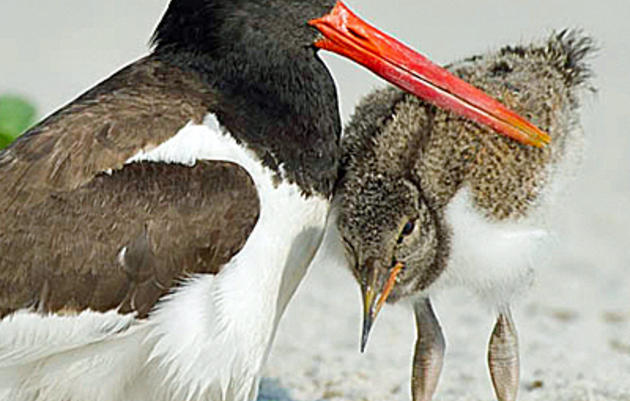
We need YOUR help to stop the construction of this terminal groin once and for all. Urge the Army Corps to Save Rich Inlet.
Read more

Hatteras Shifting Sands That Need Protecting

Speak up for Cape Hatteras National Seashore
Coast

Speak up for Cape Hatteras National Seashore

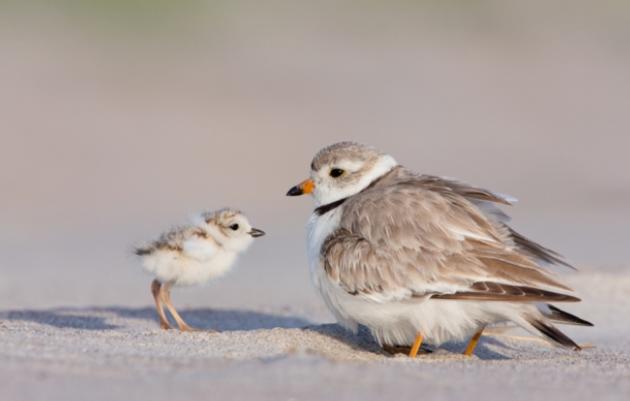
The National Park Service is seeking input from the public. This is your opportunity to speak up for those who enjoy the Seashore for all that it offers to birds, sea turtles, other wildlife.
Read more

A Final Rule for Hatteras
Advocacy

A Final Rule for Hatteras

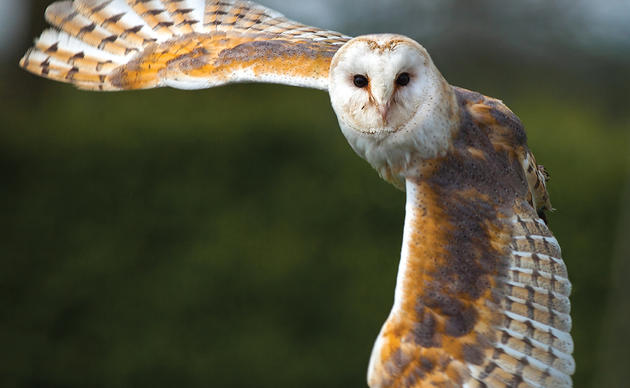
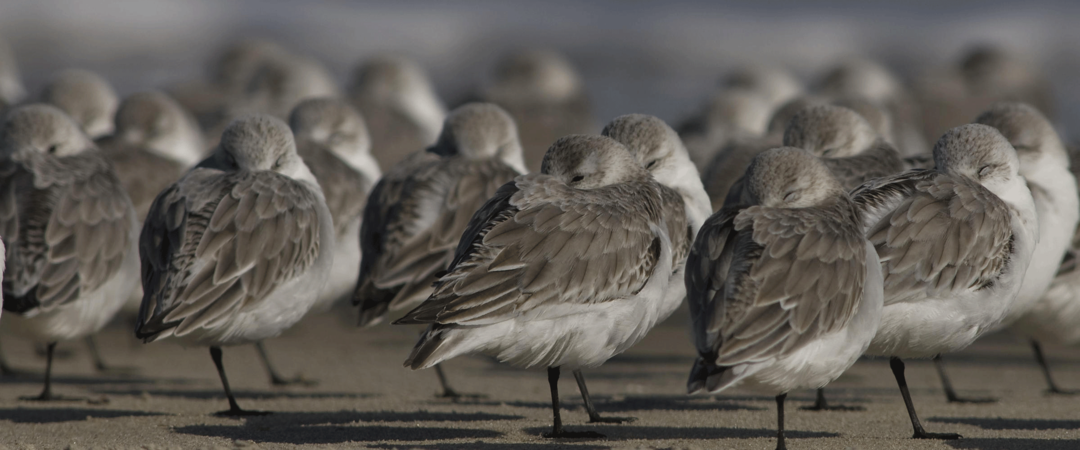
Once again, nesting shorebirds need our help. This is our last and final chance to speak out for birds at Cape Hatteras National Seashore.
Read more

A Look Back at Nesting Season on the South End of Wrightsville Beach
Coast

A Look Back at Nesting Season at the South End of Wrightsville Beach

Junior Bird Steward Jackson Travis will always remember his summer as a bird savior, and other reflections.

Seeking a Better Approach to Erosion on Ocean Isle Beach
Conservation

Seeking a Better Approach to Erosion on Ocean Isle Beach

Ocean Isle Beach's proposed terminal groin project would be devastating to an area that has long been a haven for boaters, families, and wildlife. Today, Audubon North Carolina challenged this project in federal court.

Vegetation Management on the Cape Fear River Pays Off
Eco-Friendly Habitat Management

Vegetation Management on the Cape Fear River Pays Off

Through tilling and herbicide treatment, Audubon NC was able to transform these jungle-like islands into ideal open sand nesting grounds for oystercatchers and terns.

Wainwright Island Gets New Sand... and Birds!
Coast

Wainwright Island Gets New Sand... and Birds!

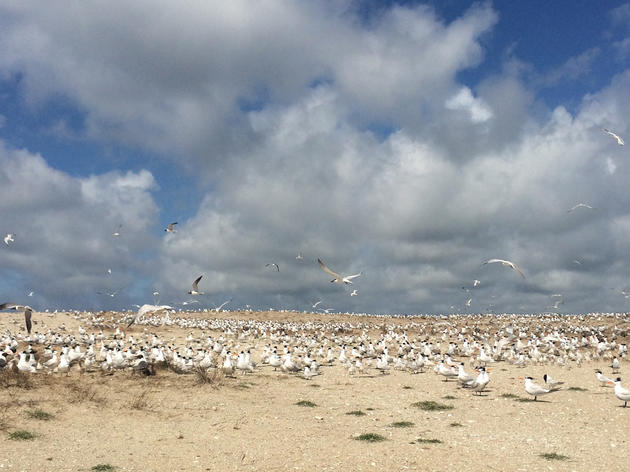
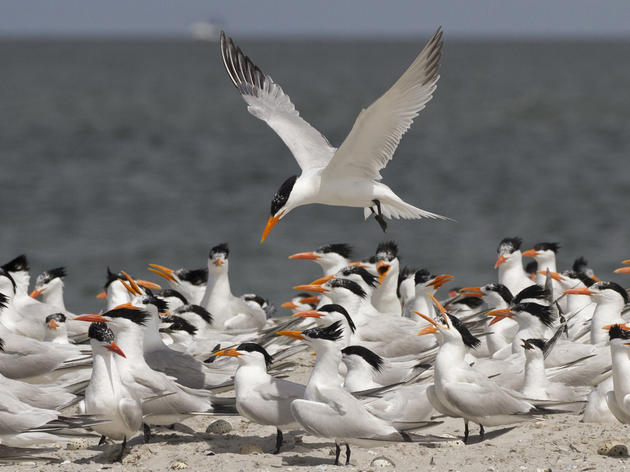
Manmade dredged-material islands are vital for the state’s populations of Royal and Sandwich terns.

2017 Summer Biological Technicians
Coast

2017 Summer Biological Technicians

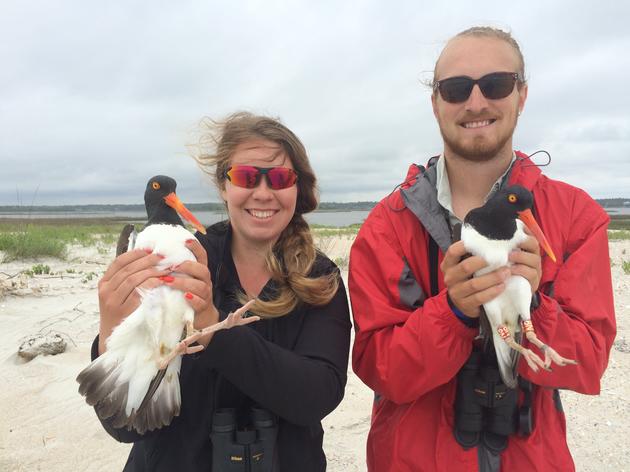
These biological technicians are instrumental in preserving the delicate, waning habitat on the beaches, marshes, and sanctuary islands on the North Carolina coast.

Posting Sites for the 2017 Coastal Nesting Season
Coast

Posting Sites for the 2017 Coastal Nesting Season

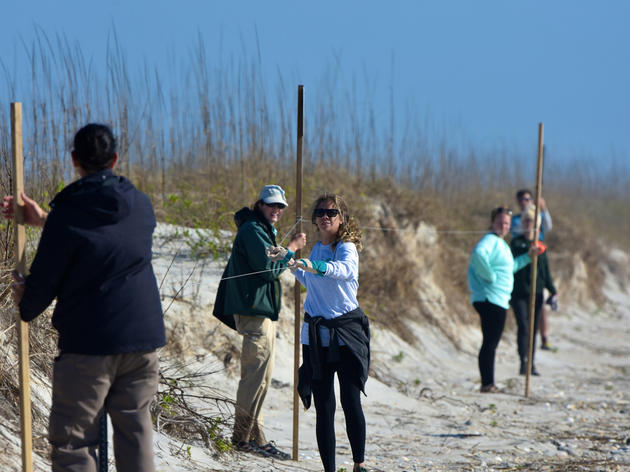
Working to protect nesting birds at coastal posting sites from human disturbance

Keep Our Rivers a Haven for Birds and People
Coast

Keep Our Rivers a Haven for Birds and People

Learn how you can help keep our rivers a haven for important bird species like pelicans, ibis, wading birds, and terns; especially during nesting season!

What Is a Census?
Coast

What Is a Census?

Since the first North Carolina Colonial Waterbird census was taken in 1977, technology has drastically improved, but its basic mission of bird conservation has stayed true.

Habitat Management for the Cape Fear River Dredge Islands
Coast

Habitat Management for the Cape Fear River Dredge Islands

Coastal habitat management aims to protect Cape Fear River terns

Upward Trends for NC's American Oystercatcher and Wilson’s Plover
Coast

Upward Trends for NC's American Oystercatcher and Wilson’s Plover

Counting birds - it's not as easy as it looks! Audubon Researchers collected and analyzed census data about the American Oystercatcher and Wilson's Plover to get a better sense of the big picture when it comes to protecting these beautiful birds.